
Beyond the Wheel: Finding Your Perfect Cheesemonger
Walking into a speciality food store and seeing dozens of colourful wheels resting behind sparkling glass counters instantly excites any food lover. However, a massive selection alone does not guarantee a great culinary experience. You can easily find fifty different varieties on a shelf, yet walk away with dried-out crusts, ammonia-tainted pastes, or improperly aged wedges if the retailer lacks basic cheese care standards.
An exceptional cheese shop does far more than stack inventory on cold shelves. Spotting the subtle signs of proper craftsmanship, passionate staff, and meticulous storage transforms a routine grocery run into a memorable gastronomic adventure.
The Climate Control Masterclass: Spotting Perfect Storage
Cheese is a living, breathing food filled with active cultures that react constantly to temperature, humidity, and airflow. How a merchant displays and stores their wheels reveals everything about their commitment to quality.
- Humidity-controlled display cases – Quality purveyors maintain specific moisture levels in their counters to prevent delicate rinds from drying out or developing unwanted mould.
- Breathable wrapping materials – Avoid stores that wrap cuts in tight plastic cling film for long periods. A top-tier cheese shop wraps wedges in porous, wax-coated paper that lets the rind breathe without drying the paste.
- Careful separation of intense styles – Strong, pungent varieties, especially a punchy blue cheese like Roquefort or Stilton, must sit away from delicate, bloomy rinds like Brie to prevent cross-contamination of wild moulds.
- Immaculate sanitation standards – Clean cutting boards, sanitised knives, and fresh parchment paper for every slice demonstrate that the team respects both hygiene and subtle flavour profiles.
The Cheesemonger Advantage: Tapping into Passionate Expertise
A great merchant acts as your personal culinary guide, helping you navigate complex flavour profiles, milk types, and seasonal pairings. This relationship begins with an eagerness to offer samples, a policy that demonstrates confidence in product freshness and ensures you enjoy every purchase before walking away.
Beyond the counter, expert staff offer deep knowledge of provenance, explaining animal diets, the use of raw versus pasteurised milk, and traditional ageing techniques. This specialised insight allows them to provide customised pairing recommendations and personalised guidance that helps you transition seamlessly from mild varieties to robust, creamy blue cheeses.
Freshness in the Cut: Evaluating Display Counter Health
Examining the physical condition of cut wedges provides an immediate, honest snapshot of inventory turnover and daily care.
- Moist, vibrant surfaces – Freshly cut surfaces appear supple and moist rather than cracked, oily, or discoloured along the edges.
- Absence of harsh chemical odours – Step away if a display counter smells strongly of household cleaning chemicals or sharp ammonia, which signals over-ripened, neglected dairy.
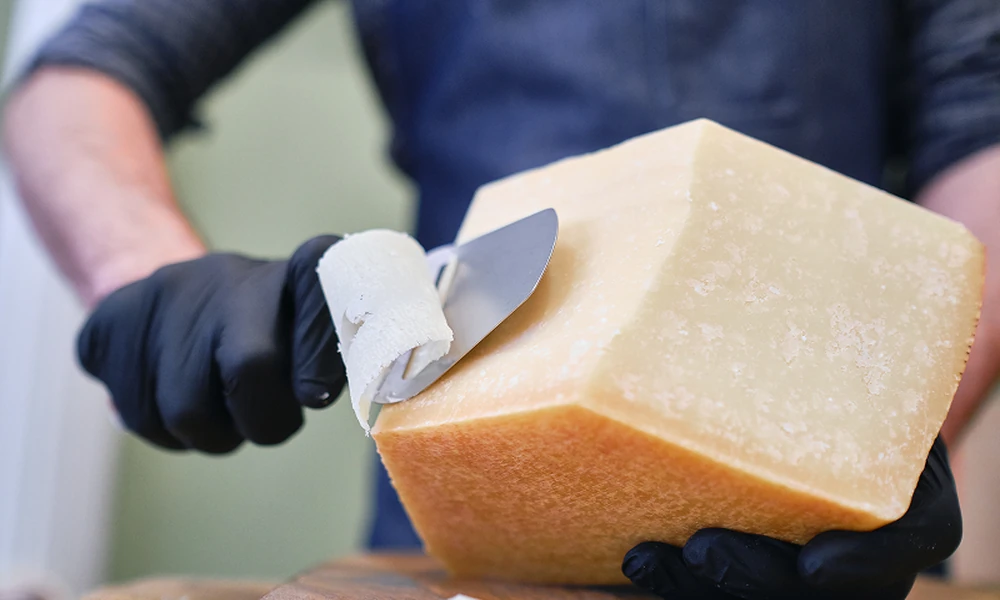
- Proportionate, clean cuts – Skilled staff cut wedges neatly along natural geometry lines, preserving the balance between the rich centre paste and the flavorful outer rind.
- Rotating seasonal inventory – A well-managed cheese shop rotates stock according to European farming seasons, featuring fresh goat cheeses in spring and rich, aged alpine varieties in winter.
Ultimately, how a shop handles its cuts reflects its respect for the craft. By paying attention to these visual and olfactory cues, you ensure that you are bringing home a product that hasn’t just been stored properly, but one that has been handled with the care and precision necessary to maintain its peak flavour potential.
The Ethical Edge: Valuing Sourcing and Transparency
Beyond technical storage and staff expertise, a premier cheese shop prioritises transparency in its supply chain. Understanding the exact origins of a wheel, from the specific farm and breed of animal to the ethical standards of the producers, ensures you are supporting sustainable agriculture. High-quality retailers often maintain direct relationships with small-scale creameries, championing traditional methods that protect local ecosystems and guarantee a superior, more honest flavour profile for the conscious consumer.
Crafting Your Culinary Journey
Finding a world-class purveyor requires looking past flashy display counters and massive inventory lists. By focusing on proper climate-controlled storage, knowledgeable and passionate staff, immaculate hygiene, and fresh-cutting practices, you ensure that every purchase delivers rich, authentic flavours. Elevating your standards turns every cheese platter into a celebrated culinary experience.
Frequently Asked Questions
How long does artisan cheese stay fresh after buying it?
Harder varieties like Cheddar or Parmigiano stay fresh for two to three weeks when stored properly in breathable paper, while soft, bloomy rinds like Camembert taste best within five to seven days of cutting.
Why should I avoid buying cheese wrapped in plastic cling film?
Plastic wrap traps moisture and gases produced by active bacteria, creating a claustrophobic environment that makes the dairy absorb plastic chemicals and develop a sharp ammonia taste.
Is a strong ammonia smell normal when opening a fresh wedge?
A faint trace of ammonia quickly dissipates after letting a soft cheese breathe at room temperature for ten minutes. However, a persistent, harsh ammonia stench means the wheel has over-ripened past its prime.
Contact Cheeselads today to explore our handpicked collection of artisan cuts and elevate your cheese board experience!