
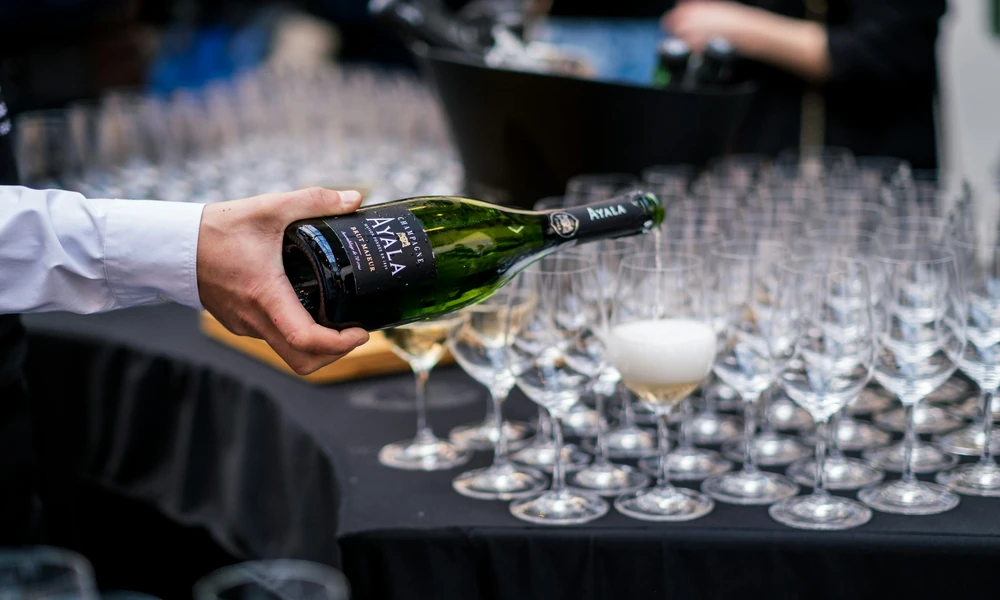
Serving a prestigious champagne involves more than removing the cork and filling a glass. Temperature, glassware, and food pairings all influence how its aromas and flavours develop. Cristal Champagne, known for its precision, freshness, and refined character, deserves a little attention to reveal its full potential.
Whether you’re planning an intimate dinner or celebrating a milestone, a few simple choices can transform the experience. From chilling the bottle correctly to selecting the right dishes, here’s how to serve Cristal Champagne with confidence.
1. Find the Ideal Serving Temperature
Temperature is one of the most important factors when serving Cristal Champagne. Too cold, and its delicate aromas become difficult to appreciate. Too warm, and the wine may lose some of its freshness, while the bubbles can seem more aggressive.
For the best balance, serve Cristal at approximately 8°C to 10°C (46°F to 50°F). This range helps preserve its lively acidity while allowing its complex aromas to emerge gradually. Slightly older vintages may benefit from being served toward the warmer end of this range.
If you’re choosing Cristal Champagne for special occasions, proper chilling is an easy way to make the moment feel more refined without unnecessary fuss.
How to Chill Cristal Champagne Properly
Place the bottle in an ice bucket filled with equal parts ice and water for around 20 to 30 minutes. This method cools the wine efficiently and evenly. Alternatively, refrigerate it for approximately three hours before serving, depending on the refrigerator’s temperature and the bottle’s starting point.
Avoid putting the bottle in the freezer. Rapid, uncontrolled cooling can be inconvenient, and a forgotten bottle may freeze or become damaged.
Once opened, keep the bottle in an ice bucket between pours. This helps maintain a consistent temperature throughout the meal.
2. Choose Glassware That Enhances the Aromas
The glass you use can make a noticeable difference to the tasting experience. Although champagne flutes are popular for celebrations, their narrow shape can restrict the development of a wine’s more subtle aromas.
For Cristal, a tulip-shaped champagne glass or a medium-sized white wine glass is often a better choice. Both provide enough room for the aromas to develop while preserving the wine’s freshness and lively bubbles.
A wide, shallow coupe may look elegant, but it allows aromas to disperse quickly. It is therefore less suitable when the aim is to appreciate the champagne’s full aromatic complexity.
Before serving, make sure the glasses are clean and free from detergent residue. Rinse them thoroughly if necessary and let them dry naturally. Avoid heavily scented cleaning products, which can interfere with the wine’s aromas.
There’s no need to fill the glass to the brim. Pour a small amount first, allow the wine to settle, then top up gently. This simple approach helps preserve the bubbles and gives guests room to appreciate the bouquet.
3. Pair Cristal Champagne With the Right Food
The best Cristal Champagne food pairings complement the wine’s freshness, texture, and layered flavours without overwhelming them. Its acidity can balance rich ingredients, while its fine bubbles refresh the palate between bites.
Rather than automatically choosing the most luxurious ingredients, focus on balance. Delicate seafood, carefully prepared poultry, and dishes with restrained seasoning can all work beautifully.
Seafood and Shellfish
Oysters, scallops, lobster, and langoustines are natural companions for a refined champagne. Their delicate flavours allow the wine to remain at the centre of the experience.
Try serving lightly seared scallops with a simple citrus dressing or grilled lobster with a modest amount of butter. Avoid excessive garlic, chilli, or heavy sauces, which can overpower the champagne’s subtler characteristics.
Poultry and Elegant Main Courses
Roast chicken, turkey, and tender veal can pair well with Cristal, particularly when served with light sauces. The wine’s acidity helps balance the richness of the meat, creating a harmonious combination.
For a more elaborate meal, consider poultry with mushrooms or a delicate cream sauce. Keep the seasoning measured so that the food complements rather than dominates the wine.
Cheese and Desserts
Cheese can be an excellent match, provided the selection is thoughtful. Young Comté, mild aged cheeses, and some delicate soft cheeses are worth considering. Very pungent blue cheeses may overwhelm the champagne.
Desserts require more care. Brut Champagne is generally best with desserts that are not overly sweet, such as fresh berries or lightly sweetened fruit preparations. A very sugary dessert can make a dry champagne taste sharper or more acidic.
For the most balanced experience, serve Cristal alongside the savoury courses and choose a sweeter wine if dessert is particularly rich.
4. Simple Serving Tips for a Better Experience
A little preparation makes the difference between an ordinary pour and a memorable tasting. Keep these essentials in mind:
- Open the bottle gently: Hold the cork firmly and rotate the bottle slowly. Aim for a quiet release rather than a loud pop.
- Pour in stages: Allow the initial foam to settle before adding more champagne.
- Avoid overfilling: Leave enough space in the glass for the aromas to develop.
- Serve fresh: Open the bottle shortly before guests are ready to drink.
- Preserve leftovers: Use a champagne stopper designed to seal the bottle securely and refrigerate it promptly.
Cristal is a wine to enjoy at a comfortable pace. Give each glass a moment to open up, especially as the temperature rises slightly.
5. Frequently Asked Questions About Serving Cristal Champagne
What is the best temperature for Cristal Champagne?
Aim for 8°C to 10°C (46°F to 50°F). This range preserves freshness while allowing the wine’s aromas to develop. Older vintages may benefit from being served slightly warmer.
Should Cristal Champagne be served in a flute?
A flute is suitable for festive occasions, but a tulip-shaped champagne glass or medium-sized white wine glass often provides a better aromatic experience. These shapes allow the wine to express more of its complexity.
What food goes best with Cristal Champagne?
Seafood, scallops, lobster, roast poultry, and selected mild cheeses are excellent starting points. Choose dishes with balanced seasoning to avoid overwhelming the wine.
Can you serve Cristal Champagne with dessert?
Yes, but choose carefully. Fresh berries and lightly sweetened fruit desserts are generally better suited to a dry champagne than rich cakes or very sugary pastries.
How long before serving should Cristal Champagne be chilled?
Refrigerate the bottle for around three hours or place it in an ice-water bucket for 20 to 30 minutes. Check the temperature before serving rather than relying entirely on the clock.
Make Every Glass of Cristal Champagne Count
Serving Cristal well comes down to a few thoughtful decisions. Keep the bottle properly chilled, choose glassware that allows its aromas to develop, and select food that complements its freshness and structure.
There is no need for an elaborate ritual. The right temperature, a suitable glass, and a well-matched dish are enough to bring greater depth to the experience. Whether served at a formal dinner or a personal celebration, Cristal Champagne deserves to be enjoyed slowly, with attention to the details that make every glass special.