
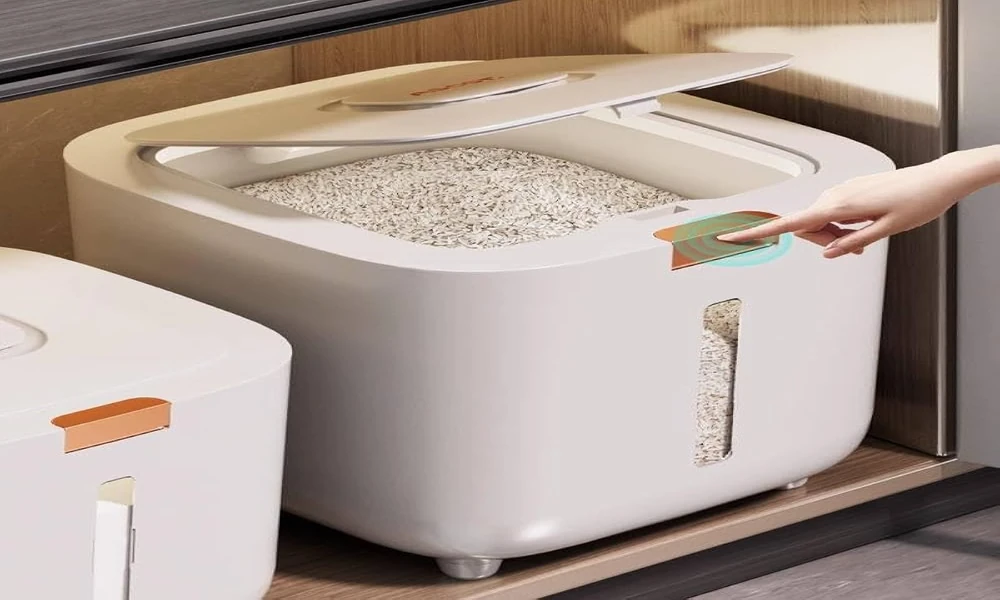
Rice is a staple food in households worldwide, making proper storage essential for maintaining its freshness, flavor, and quality. Whether you use white rice, brown rice, or basmati rice, exposure to moisture, heat, and air can gradually affect its condition. Choosing the right storage method helps protect rice from contamination while keeping your kitchen organized.
Modern storage solutions, such as a 真空 米びつ, offer a practical way to reduce air exposure and protect stored grains. These containers combine vacuum technology with convenient designs, helping households maintain better storage conditions and simplify daily kitchen routines.
Why Proper Rice Storage Matters
Rice may have a relatively long shelf life, but improper storage can affect its quality. Humidity, temperature fluctuations, and pest exposure are common factors that contribute to deterioration.
Proper rice storage provides several important benefits:
- Maintains freshness: Suitable conditions help preserve rice’s natural aroma, flavor, and texture.
- Prevents moisture exposure: Sealed containers reduce contact with humid air.
- Reduces contamination: Secure storage helps protect rice from dust and pantry insects.
- Minimizes food waste: Better storage practices reduce the likelihood of premature spoilage.
- Improves organization: Dedicated containers keep kitchen shelves neat and accessible.
Using appropriate storage equipment is especially helpful in humid environments.
Common Problems with Traditional Rice Storage
Moisture and Humidity
Storing rice in open bags or loosely sealed containers exposes it to moisture. Excessive humidity can cause clumping and create conditions that encourage mold growth.
Pest Infestation
Rice weevils and other pantry insects can contaminate stored grains. Thin packaging or improperly closed containers may allow pests to enter, making secure storage important.
Limited Storage Convenience
Large rice bags can occupy valuable kitchen space and make measuring rice inconvenient. Dedicated containers provide easier access while reducing accidental spills.
Understanding Vacuum Rice Storage Technology
Vacuum rice containers use a mechanism to remove some of the air inside a sealed storage chamber. Unlike ordinary airtight containers, vacuum systems actively reduce internal air exposure.
This process may help slow certain oxidation-related changes and limit contact with humid air. However, vacuum storage cannot eliminate moisture already present in rice or guarantee protection against spoilage.
For effective results, rice should always be stored dry and kept in a cool environment.
Key Benefits of Vacuum Rice Storage Containers
Better Protection Against Air Exposure
Reducing the amount of air surrounding stored rice may help preserve its quality over time. A reliable sealing mechanism also limits repeated exposure to external humidity.
Improved Kitchen Organization
Vacuum containers provide a designated storage space for rice, reducing clutter caused by large bags and loose packaging. Their practical designs can make pantry organization easier.
Convenient Everyday Use
Modern rice storage containers simplify access during meal preparation. Instead of handling bulky packaging, users can store and retrieve rice from one convenient location.
Reduced Food Waste
Proper storage can help prevent avoidable deterioration. Combined with careful handling and regular inspections, vacuum containers may support more efficient use of household rice supplies.
Practical Tips for Keeping Rice Fresh Longer
Even with modern storage equipment, good storage habits remain essential.
Choose a Cool, Dry Location
Keep rice away from direct sunlight, stoves, and other heat sources. Stable, cool temperatures help maintain grain quality.
Keep Containers Clean
Always clean and completely dry storage containers before refilling them. Moisture left inside can negatively affect stored rice.
Avoid Mixing Old and New Rice
Finish older supplies before adding fresh rice. This makes it easier to monitor storage time and maintain consistent quality.
Check Rice Regularly
Inspect rice for unusual odors, discoloration, insects, or moisture. Discard rice showing signs of spoilage.
Common Rice Storage Mistakes to Avoid
Several everyday habits can reduce the effectiveness of even high-quality storage containers.
- Leaving container lids open for extended periods.
- Using wet measuring cups or utensils.
- Storing rice near heat-producing appliances.
- Ignoring cleaning and maintenance requirements.
- Purchasing more rice than can be consumed within a reasonable period.
Avoiding these mistakes helps create a cleaner and more reliable storage environment.
Conclusion
Proper rice storage plays an important role in preserving freshness, preventing contamination, and maintaining an organized kitchen. Vacuum rice containers offer a convenient alternative to traditional storage methods by reducing air exposure and supporting better pantry management.
However, effective storage requires more than advanced equipment. Combining suitable containers with proper cleaning, careful handling, and cool, dry storage conditions helps maintain rice quality.
By adopting these simple practices, households can reduce unnecessary food waste, simplify meal preparation, and enjoy a more organized kitchen.