
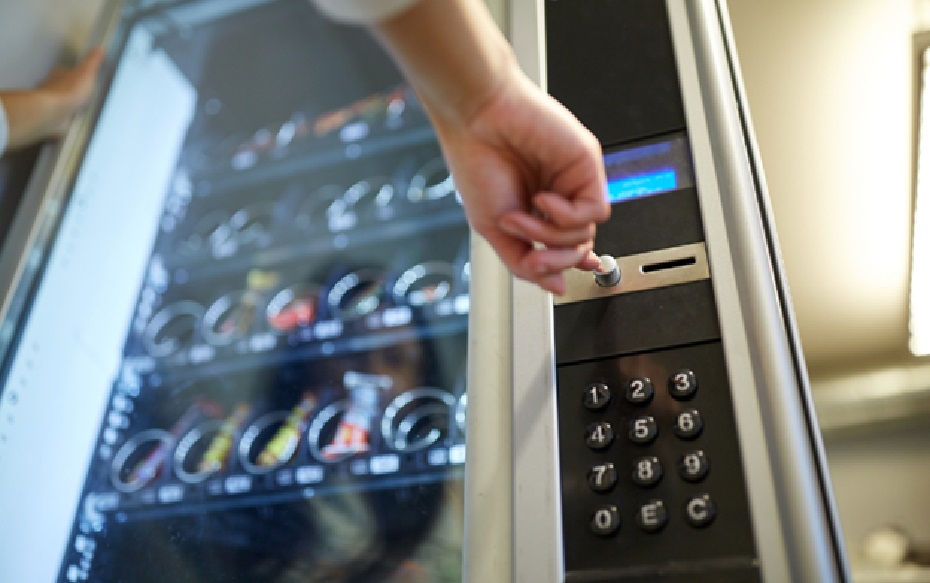
The food landscape in Singapore is evolving rapidly, with ready-to-eat meals gaining popularity. Food vending machines are at the heart of this transformation, delivering convenience and accessibility to busy individuals. Here’s a closer look at the factors contributing to the rise of these innovative solutions.
Addressing the Demand for Convenient Meal Options
In a fast-paced Singapore, convenience drives consumer choices. Ready-to-eat meals provide a practical solution for individuals balancing work, family, and leisure. Food vending machines in Singapore are strategically placed in high-traffic areas such as train stations, office buildings, and residential complexes, offering a quick and reliable way to access meals without requiring long queues or meal preparation.
This convenience appeals particularly to professionals and students who require affordable and accessible dining solutions.
Technological Advancements in Food Vending Machines
The rise of ready-to-eat meals coincides with significant technological improvements in food vending machines. Modern machines have advanced refrigeration and heating systems to ensure meals are stored at the appropriate temperatures, preserving freshness and quality. These machines can dispense a variety of dishes, from traditional Asian cuisines to Western-style meals.
Vending machine suppliers in Singapore also incorporate cashless payment systems and user-friendly interfaces, making transactions seamless. This innovation aligns with Singapore’s push toward digital transformation and enhances the overall user experience.
Expanding Meal Variety to Cater to Diverse Tastes

Food vending machines in Singapore now offer a diverse range of meals to cater to the nation’s multicultural population. Consumers can choose healthy salads, hearty rice dishes, noodles, and plant-based options. This variety ensures that there is something for every dietary preference, promoting widespread acceptance of this dining format.
Moreover, vending machine suppliers regularly update their offerings to reflect changing consumer preferences, keeping the concept fresh and appealing to repeat customers.
Supporting Sustainable Practices
The vending machine industry is gradually aligning with Singapore’s sustainability goals. Many ready-to-eat meal suppliers are adopting environmentally friendly packaging to reduce waste. Additionally, food vending machines can operate efficiently with minimal resources, which helps reduce the carbon footprint associated with traditional dining establishments.
This emphasis on sustainability resonates with environmentally conscious consumers, further boosting the popularity of food vending machines.
Meeting the Needs of Flexible Working Arrangements
As remote and hybrid working models grow, the need for flexible dining solutions has also increased. Food vending machines bridge the gap by providing ready-to-eat meals for individuals working outside conventional hours. This accessibility is particularly valuable in business hubs and co-working spaces where employees may require quick meal options during odd hours.
The ability to enjoy a meal at any time is a critical factor in the appeal of these machines, reinforcing their role in modern dining habits.
Enhancing Food Safety and Hygiene Standards
Singapore’s stringent food safety regulations ensure that vending machines meet high hygiene standards. Ready-to-eat meals are prepared and sealed in controlled environments, reducing the risk of contamination. Vending machines are also regularly maintained and cleaned, providing consumers with confidence in the safety of their food.
This focus on hygiene has made food vending machines a reliable option, especially given growing concerns about food safety.
Redefining Dining for Urban Living
Food vending machines are transforming how urban residents approach dining. Their presence contributes to the convenience and efficiency that define modern living in Singapore. By offering quick, hygienic, and diverse meal options, these machines provide a solution that meets the unique needs of an increasingly urbanised population.
The adaptability of this dining model ensures its continued relevance in Singapore’s food ecosystem.
Conclusion
The rise of ready-to-eat meals through food vending machines in Singapore reflects the nation’s evolving dining preferences and reliance on technology for convenience. These machines provide an innovative solution that meets the needs of a busy, diverse, and urban population.
For more information, contact Taste Asia today.