
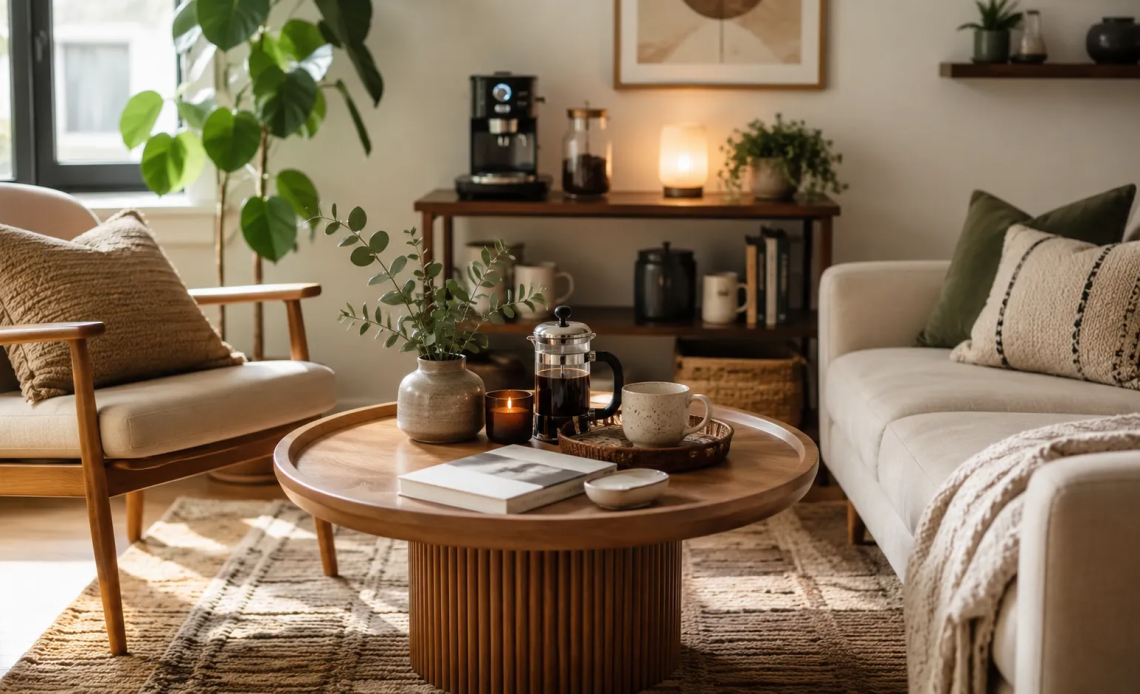
Making café-style coffee at home sounds simple until you start shopping for a coffee machine. Suddenly, you are comparing espresso makers, automatic systems, milk frothers, grinders, pod machines, pressure ratings, and features you may never have considered before.
The right choice depends less on finding the most expensive model and more on understanding how you actually drink coffee. Someone who wants a quick cup before work needs a very different machine from someone who enjoys adjusting grind size and experimenting with espresso.
This coffee maker buying guide explains the practical factors worth considering before spending your money. From different coffee machine types and available counter space to cleaning requirements and drink preferences, knowing what matters beforehand can help you build a convenient coffee brewing setup that fits naturally into your daily routine.
Start With the Coffee You Actually Drink
Before looking at technical specifications, think about what normally ends up in your cup.
Do you mostly drink black coffee? Do you prefer espresso? Are cappuccinos and lattes your usual order? Or does your household need several different drinks?
Your habits should guide the buying decision.
For example, someone who drinks one straightforward coffee every morning may not benefit from an advanced espresso coffee machine with several customizable settings. On the other hand, a regular latte drinker may quickly become frustrated with a basic brewer that cannot steam milk.
Ask yourself:
- How many cups do I normally make each day?
- Do several people use the machine?
- Do I mainly drink espresso or longer coffees?
- Do I regularly make milk-based drinks?
- How much time do I want to spend preparing each cup?
- Do I enjoy controlling the brewing process?
These questions can quickly narrow down the options.
Understand the Main Coffee Machine Types
There is no single machine that works perfectly for every household. Understanding the most common coffee machine types makes comparing models much easier.
Drip Coffee Makers
A drip brewer is a practical option for households that regularly prepare several cups at once.
Water is heated and passed through ground coffee into a carafe. The process requires very little attention and works particularly well for people who enjoy longer cups of coffee rather than concentrated espresso.
They are also useful when several people want coffee at roughly the same time.
Espresso Machines
An espresso coffee machine forces hot water through finely ground coffee under pressure, producing a concentrated shot with a richer flavor and characteristic crema.
Manual and semi-automatic models offer more control over factors such as grinding, dosing, tamping, and extraction.
That control can be enjoyable, but it also involves a learning curve.
If experimenting with beans, grind settings, and extraction sounds interesting rather than inconvenient, an espresso model may become the centerpiece of your coffee brewing setup.
Automatic and Bean-to-Cup Machines
Automatic machines are designed for convenience.
Many can grind whole beans, prepare coffee, and sometimes froth milk with very little input from the user. Instead of manually preparing each stage, you may simply select your preferred drink.
The trade-off is usually a higher purchase price and additional internal components that require regular cleaning.
Pod or Capsule Machines
Capsule systems are simple, compact, and fast.
They suit people who value consistency and convenience more than experimenting with brewing variables. Cleanup is usually minimal because the coffee itself remains inside the capsule.
However, the ongoing cost per drink and the waste generated by capsules are worth considering before choosing this style.
Consider How Much Control You Really Want
Coffee enthusiasts often enjoy controlling every stage of brewing. Other people simply want good coffee without turning breakfast into a hobby.
Neither approach is wrong.
A semi-automatic machine may allow you to adjust grind size, dose, extraction time, and milk texture. These adjustments can dramatically influence the final drink, but getting consistent results takes practice.
An automatic system does much of that work for you.
Think realistically about your morning routine. If you normally have five minutes between getting dressed and leaving the house, a machine requiring careful preparation may eventually feel inconvenient.
Your home brewing equipment should match your lifestyle rather than creating extra work.
Think About Milk-Based Drinks
If cappuccino, flat white, or latte is your usual order, milk preparation deserves special attention.
A dedicated cappuccino machine or espresso model with a steam wand gives you greater control over milk texture. Learning to steam milk properly takes some practice, but it can produce the smooth microfoam associated with café drinks.
Automatic milk systems are easier. Some pull milk directly from a container and prepare the entire drink at the touch of a button.
When comparing milk systems, consider:
- How easy the milk components are to clean
- Whether the milk container requires refrigeration
- How much control you have over foam texture
- Whether the steam wand is comfortable to position
- How often you actually prepare milk drinks
If cappuccino is only an occasional treat, an elaborate milk system may not be necessary.
Check the Available Kitchen Space
It is surprisingly easy to buy a machine that looks reasonable online and then discover that it dominates the kitchen counter.
Measure your available space before ordering.
Check width, depth, and height. Remember that some machines require extra clearance to remove the water tank, refill beans, open the top compartment, or access the drip tray.
Also consider the surrounding home brewing equipment.
If you need a separate grinder, knock box, coffee scale, tamper, milk pitcher, and bean containers, the entire setup can occupy considerably more space than the machine itself.
For a small apartment or compact kitchen, simplicity may be more valuable than having every possible feature.
Look Beyond the Machine’s Purchase Price
The advertised price is only part of the cost of making coffee at home.
Depending on the system you choose, additional expenses might include:
- Whole coffee beans or ground coffee
- Capsules
- A separate grinder
- Water filters
- Cleaning tablets
- Descaling products
- Replacement filters or seals
- Milk accessories
An inexpensive capsule machine, for example, can have relatively high ongoing coffee costs. A more expensive bean-based machine may cost more initially but offer different long-term economics depending on how frequently it is used.
A useful coffee maker buying guide should therefore consider ownership costs rather than focusing only on the checkout price.
Decide Whether You Need a Built-In Grinder
Freshly ground coffee can make a noticeable difference in flavor, particularly with espresso.
Some machines include a built-in grinder. This creates a neat all-in-one system and reduces the amount of separate equipment on your counter.
Other users prefer a dedicated grinder because it provides greater control and can be upgraded independently.
If you choose an espresso coffee machine without an integrated grinder, remember to include a capable grinder in your budget. Espresso requires fairly precise grinding, so an ordinary blade grinder is unlikely to provide the consistency needed for reliable results.
For casual brewing, however, a simpler grinding solution may be perfectly adequate.
Pay Attention to Cleaning and Maintenance
A machine that makes excellent coffee but is unpleasant to clean can quickly become frustrating.
Look at the daily and weekly maintenance requirements before buying.
Common tasks include emptying drip trays, removing used coffee grounds, rinsing brewing components, cleaning steam wands, washing milk systems, and occasionally descaling the machine.
Hard-water areas may require more frequent descaling.
Removable components can make maintenance easier. Dishwasher-safe parts may also save time, although manufacturer instructions should always be checked before placing components in a dishwasher.
Your ideal coffee machine should be realistic to maintain on an ordinary weekday, not just impressive when it is brand new.
Choose Features You Will Actually Use
Modern machines can include long feature lists, but more features do not automatically mean better coffee.
Useful options may include:
- Adjustable coffee strength
- Adjustable water temperature
- Programmable drink sizes
- Automatic shut-off
- Cup warming
- Multiple user profiles
- Built-in grinder settings
- Automatic milk preparation
- Hot-water dispensing
- Cleaning reminders
Focus on functions that solve a genuine need.
If you are comparing options for a home coffee machine, consider how each feature would fit into your normal routine instead of choosing a model simply because it offers the longest specification list.
A smaller number of useful functions is often better than paying for settings you never touch.
Build a Practical Coffee Brewing Setup
The machine is important, but it is only one part of consistently making enjoyable coffee.
Your coffee brewing setup may also benefit from fresh beans, suitable storage, filtered water, a reliable grinder, and basic cleaning accessories.
For espresso enthusiasts, a scale and proper tamper can help improve consistency. If you mainly prepare longer coffees, those accessories may be unnecessary.
Start with the essentials and add equipment gradually.
This prevents your kitchen from becoming crowded with accessories before you know whether you will actually use them.
Avoid Buying Based on Specifications Alone
Numbers such as pump pressure, wattage, water capacity, or grinder settings are useful, but they should not become the entire buying decision.
Usability matters just as much.
Consider whether controls are intuitive, whether the water tank is easy to refill, whether cups fit comfortably beneath the spout, and whether frequently removed parts feel easy to access.
A technically impressive cappuccino machine that is awkward to clean may be less enjoyable than a simpler model that fits smoothly into your routine.
The best machine is often the one you are happy to use every day.
Frequently Asked Questions
What type of coffee machine is best for home use?
There is no universal best choice. Drip machines work well for making several cups, capsule systems emphasize convenience, automatic machines simplify preparation, and espresso machines provide greater control. Your preferred drinks, budget, available space, and willingness to learn should guide the decision.
Is an expensive coffee machine always better?
Not necessarily. Higher-priced machines may offer better materials, additional automation, larger grinders, or greater customization, but those features only matter if you use them. A simpler machine that matches your routine can provide better value.
Do I need a grinder for making coffee at home?
If your machine does not have a built-in grinder and you want to use whole beans, then yes. Grinder quality becomes especially important when preparing espresso because small changes in grind size can affect extraction.
Is a cappuccino machine worth buying?
A cappuccino machine can be worthwhile if milk-based drinks are a regular part of your routine. Occasional cappuccino drinkers may prefer a simpler brewer combined with a separate milk frother.
How often should a home coffee machine be cleaned?
Basic parts such as drip trays, milk systems, and used-ground containers should generally be cleaned frequently. Descaling intervals depend on the machine, water hardness, and manufacturer recommendations, so always follow the care instructions supplied with your model.
Conclusion
Choosing the right coffee machine becomes much easier once you stop comparing every model and focus on your own routine. Consider the drinks you enjoy, how much preparation you are comfortable with, available kitchen space, maintenance requirements, and the total cost of ownership.
Different coffee machine types suit different households, so an advanced system is not automatically the smartest purchase. For some people, convenience matters most. Others enjoy having full control over espresso and milk preparation.
Use this coffee maker buying guide as a starting point, then prioritize the features you are genuinely likely to use. A thoughtfully chosen machine and a simple, practical coffee brewing setup can make good home coffee easier to prepare without adding unnecessary complexity to your kitchen.