
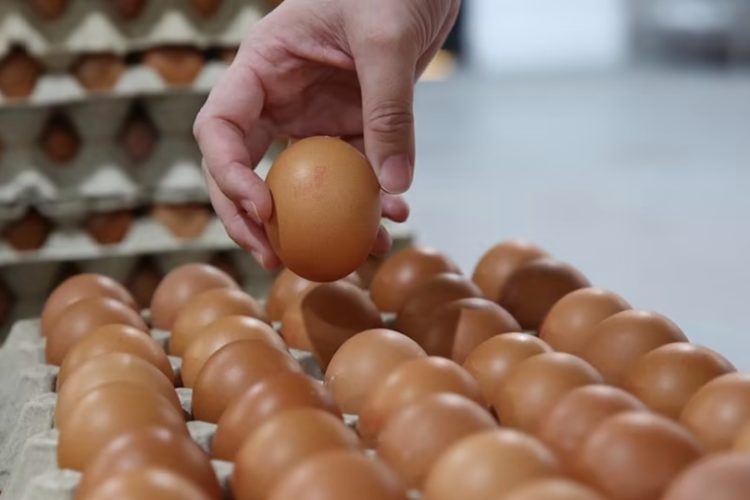
The story of egg singapore begins not with grand pronouncements or sweeping policy declarations, but with the simple reality that some two million eggs must find their way to Singaporean tables each and every day. This is no small undertaking for an island nation of limited land and even more limited agricultural capacity. It is a challenge met through careful planning, strategic partnerships, and the kind of determined resourcefulness that has characterised Singapore’s approach to its most fundamental needs since independence.
The Foundation: Understanding Demand
To comprehend the egg supply system in Singapore is to first grasp the scale of consumption. The people of this city-state have long embraced eggs as a dietary staple, incorporated into everything from the traditional soft-boiled eggs served at breakfast kopitiam stalls to the elaborate pastries displayed in bakery windows along Orchard Road. The numbers tell their own story: annual consumption reaches approximately 730 million eggs, a figure that translates to roughly two eggs per person per day when accounting for both household consumption and commercial food preparation.
This sustained demand creates what might be called the great eggs challenge of Singapore. Unlike nations blessed with vast agricultural hinterlands, Singapore possesses scarcely 700 hectares dedicated to farming of any kind. The mathematics are unforgiving. To meet domestic egg consumption entirely through local production would require an expansion of facilities that the island’s geography simply cannot accommodate.
Local Production: The Vital Minority
Yet local production persists, accounting for approximately one quarter of Singapore’s egg consumption. This is no accident of history but rather the result of deliberate policy that recognises the strategic value of domestic food production. The farms that remain operate as models of efficiency and modern agricultural practice.
The Singapore Food Agency maintains rigorous oversight of these operations, establishing standards that govern every aspect of production:
- Temperature-controlled housing facilities that protect laying hens from tropical heat
- Automated systems for feeding, watering, and egg collection that maximise efficiency
- Strict biosecurity measures designed to prevent disease introduction and spread
- Regular veterinary supervision ensuring animal health and product safety
- Waste management systems that address environmental concerns in a densely populated nation
These egg singapore command premium prices in the marketplace, typically 20 to 30 percent higher than imported alternatives. Consumers pay this premium for several reasons: the assurance of freshness, with eggs reaching retail outlets within hours of laying; the reduced environmental impact of shorter supply chains; and a certain satisfaction in supporting domestic agriculture, however modest its scale.
The Import Infrastructure: A Lifeline Across Waters
The remaining 75 percent of Singapore’s egg supply arrives from abroad, primarily from Malaysia, which has historically dominated this trade. The two nations share not merely a causeway but an agricultural relationship built over decades. Malaysian farms in Johor and beyond have long structured their operations with Singapore’s market in mind, scaling production to meet the appetites of their southern neighbour.
Yet recent years have witnessed a calculated diversification of supply sources. The COVID-19 pandemic exposed vulnerabilities in over-reliance on any single supplier. When Malaysian supply chains experienced disruptions in 2020 and 2021, Singapore moved swiftly to approve additional sources:
- Australia, offering large-grade eggs from expansive farming operations
- Thailand, providing competitively priced products from integrated agricultural systems
- Japan, supplying premium specialty varieties for discerning consumers
- Other Southeast Asian nations approved on a case-by-case basis
This diversification represents prudent risk management. As the Singapore Food Agency has noted, “A resilient food supply system requires multiple sources and the flexibility to adjust quickly to changing circumstances.”
The Price Equation: Markets and Margins
Understanding egg pricing in Singapore requires consideration of multiple factors. Import costs reflect not merely production expenses but transport logistics, refrigeration requirements, and the overhead of quality assurance testing. Every shipment undergoes inspection, with random sampling for contaminants including salmonella, antibiotic residues, and pesticide traces.
Retail prices fluctuate in response to these underlying costs. When feed grain prices rise globally, as they did during the Ukraine conflict, these increases ripple through to consumer prices within weeks. Currency exchange rates similarly affect import costs, with a stronger Singapore dollar providing modest relief to consumers.
The government maintains vigilant oversight of pricing, particularly during supply disruptions. While Singapore embraces market mechanisms, authorities stand ready to investigate price manipulation or profiteering that might exploit temporary shortages.
Quality Standards: An Uncompromising Approach
Whether eggs originate from local farms or distant suppliers, they must satisfy identical safety standards before reaching consumers. The regulatory framework leaves little room for compromise. Import sources must achieve accreditation through farm inspections conducted by Singapore officials. Production facilities must demonstrate compliance with hygiene protocols, veterinary health programmes, and traceability systems.
Grading standards provide consumers with clear information about size, quality, and freshness. Retailers must display country of origin prominently, enabling informed purchasing decisions. These transparency requirements reflect a broader philosophy: that consumers deserve complete information about the food they eat.
Conclusion
The systems that deliver egg singapore to kitchen tables and restaurant kitchens represent triumph over geographic limitation. Through strategic imports, maintained local production, rigorous quality oversight, and careful market management, Singapore has transformed vulnerability into resilience. The story continues to unfold, with new technologies and farming methods promising enhanced domestic capacity. Yet the fundamental achievement endures: ensuring that two million eggs arrive fresh and safe each day to nourish a nation built on determination and foresight.