
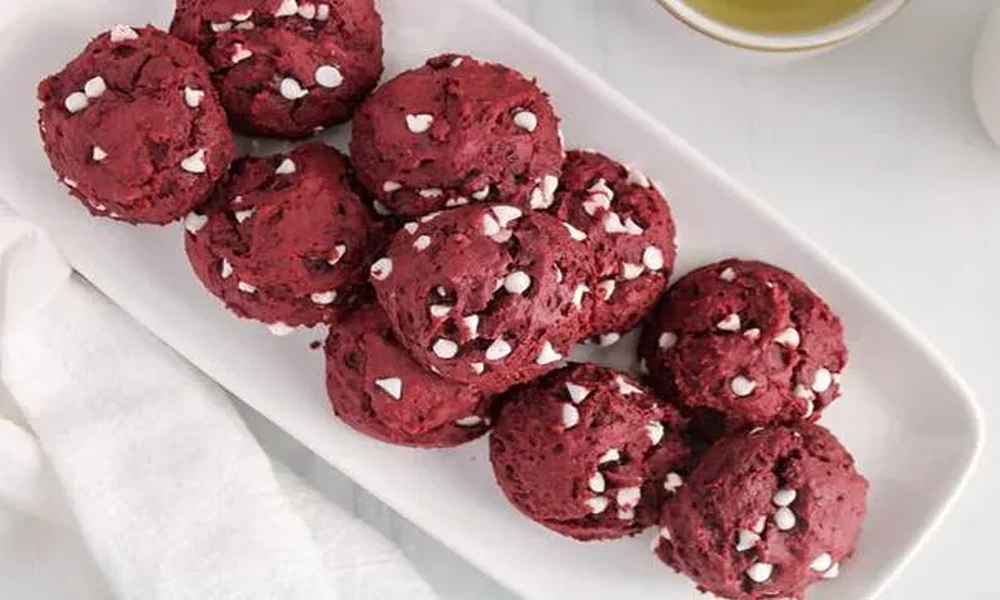
Dry mixes have their own rules. There is no water to dissolve a pigment, no syrup to carry it, and sometimes only a quick tumble to spread it around. That is where red radish powder earns a place in formulators’ notebooks. It offers a bright red to orange-red tone in a form that handles easily. Seasonings, bakery blends, and pet foods all share similar challenges, so this article looks at how to keep powders even, stable, and good-looking. Let us dig in.
Powders ship well, store well, and weigh less than liquids, which lowers handling costs. They also fit naturally into dry production lines, where adding liquid would cause clumping. Many plants already have mixers, ribbon blenders, and sifters ready for the job. For small ingredient amounts, a powder with good flow is easier to dose accurately. That practical side often matters more than a lab result when the production schedule is tight, and the team is busy. Simple, practical, and cost-friendly.
Getting an Even Spread
Color that looks great in the sample jar can turn blotchy in a blender. The usual cause is uneven mixing. A tiny amount of strong pigment must spread through a large mass of flour, salt, or spice. Pre-blending the color with a portion of the base first helps a lot. Then add that premix to the rest. Mix time, speed, and the fill level of the blender all influence how smooth the final shade will be. Slow down and mix in stages.
Particle Size and Speckling
Fine powders blend smoothly but can dust and cling to equipment. Coarse ones flow nicely yet may show as dots on pale backgrounds. Neither is wrong. The right choice depends on your finished product. A seasoning blend with spices already has visual texture, so tiny specks hide easily. A white cake mix does not forgive them. Ask suppliers for samples in different grades and compare them in your actual base under the same light. A little testing saves a lot of regret.
A Yellow Partner
Reds rarely work alone. Many dry products need a yellow to build orange, or to brighten a pale base. Curcumin color from turmeric is a common partner, giving a clear golden shade at a small dose. It is sensitive to light, so protective packaging helps. Used with a red source, it can create warm orange tones for cheese-style seasonings, crackers, and pet biscuits. Keep a log of the ratios so that every batch matches the last one. Small ratios make big differences.
Moisture Is the Enemy
Powders absorb humidity from the air, and moisture can clump the mix or cause pigments to fade. Store drums sealed, and close the bag after each use. Keep warehouses dry and cool when possible. Silica sachets and sealed liners offer extra protection for slow-moving stock. If a pigment arrives caked, report it right away instead of trying to break it up. Early action keeps poor product from ever reaching the production line. Moisture problems are slow, quiet, and often expensive too.
Baking and Extrusion Heat
Baked and extruded foods face high heat, often for a short time. Some pigments survive that stress well, while others dull or brown. Pet food kibble, for example, goes through pressure and temperature that would ruin a fragile color. Ask suppliers which grades are meant for heat, and run a small trial on your actual line. Compare the shade straight from the oven with the same product a week later, then decide. Heat tolerance is never universal, so ask before you buy.
Dosing and Documentation
Because dry colors are used in tiny amounts, small weighing errors can show up in the finished shade. Use calibrated scales and agree on tolerances with the production team. Write down every lot number and match it to the finished batch. If a customer later asks about a difference in shade, you can look at your records, and answer with confidence. Good paperwork turns a stressful complaint into a quick and calm investigation. It also helps your team improve the process over time.
Small Habits, Steady Color
Dry blends reward careful, practical habits: pre-mixing, dry storage, and steady records. None of them are expensive, and all of them protect your brand from visible inconsistency. When you are ready to try plant-based reds and yellows in powder form, request samples from foodrgb.com and test them on your own line. A trial run often teaches more than any brochure can, and the technical team can help you read the results. Customers may never see the effort, but they notice consistency.